
Smart Training Vests Compared: Build Confidence
By Sofia Martínez • 6th May

When you're standing in your hallway watching your dog pull, tug, or freeze at the prospect of a walk, it's easy to wonder if there's a tool that might bridge the gap between intention and reality. The honest truth: no vest is a replacement for consistent, calm training. But the right smart training vest choice can give you real-time feedback (a kind of objective witness to the progress you and your dog are making together). If you want objective session reviews to complement those metrics, see our video analysis apps comparison you can pair with any vest. If you're considering a dog health monitoring vest or any biometric training vest for dogs, this guide will help you move past the hype and find a setup that genuinely supports your specific training goals.
Why Smart Training Vests Matter (And Why They Don't Have All the Answers)
Smart training vests sit at the intersection of gear and data. They're not magical. They won't train your dog for you. But when paired with a clear progression plan and consistent reps, they can do something powerful: they remove guesswork. A vest with integrated sensors can show you heart-rate patterns, movement distribution, and body stress signals. For medical-grade trend tracking and HRV insights, see our PetPace smart collar review as a complementary tool. A training performance tracking vest equipped with activity monitors gives you baseline metrics (how much your dog is pulling, jerking, or settling) before and after focused practice.
This matters because one of the biggest sources of handler stress is the nagging question, Am I actually making progress? When you're doing three-minute leash sessions in your living room, or working on loose-leash walks down a quiet side street, it's hard to know if small shifts are real or just your hopeful interpretation. Vital sign monitoring vests designed for training contexts let you see the data. Heart rate drops. Tension releases. Breathing normalizes. These aren't subjective. They're visible proof that calm, consistent reps are rewiring your dog's nervous system.
Understanding the Core Ecosystem of Smart Training Vests
What Data Matters in a Training Context?
Not all smart vests collect the same information. Before comparing options, decide what metrics align with your training goal.
- Heart-rate and stress indicators: Best for dogs with reactivity, anxiety, or high arousal. You're measuring whether your dog is genuinely settling or just appearing quiet.
- Movement and posture tracking: Useful for loose-leash work, settling drills, and detecting subtle tension patterns before they escalate to pulling or lunging.
- GPS and distance data: Helpful for multi-context progression, tracking if your dog's calm behavior holds across different environments, distances, or exposure levels.
- Temperature and fatigue markers: Relevant if you're training outdoors in varied climates or working toward endurance goals (hiking, trail work).
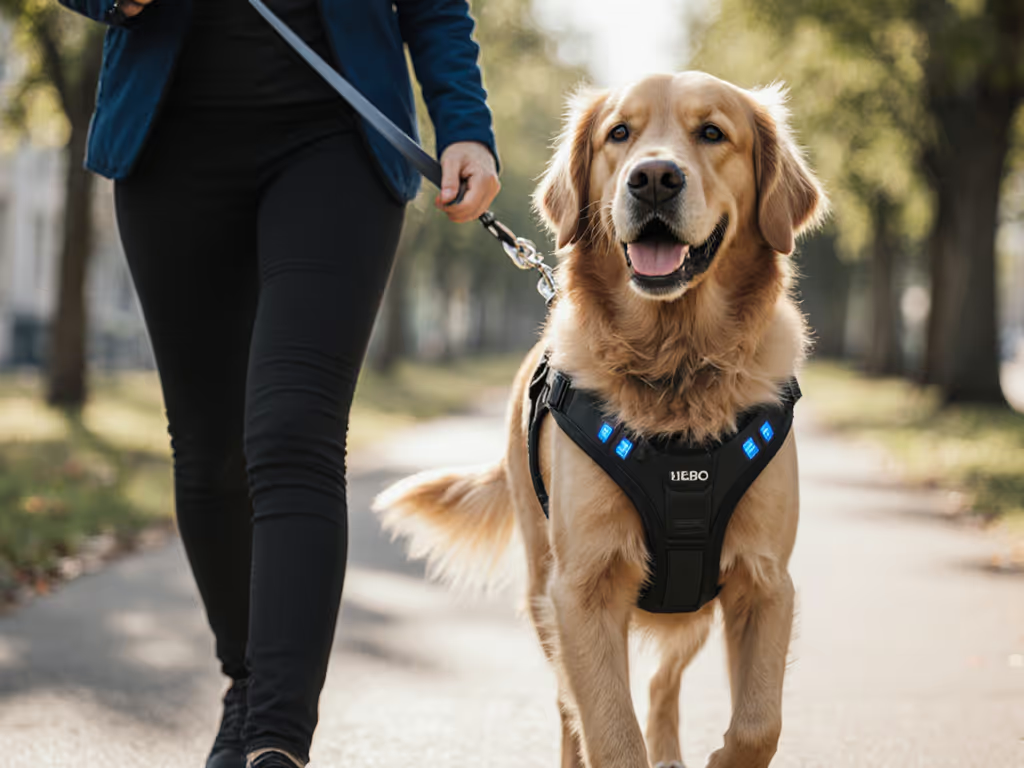
The trap many handlers fall into is selecting a vest because it tracks everything. Instead, ask: Which single metric would most clearly show me that my training plan is working? If pulling is your primary goal, movement data is your north star. If anxiety is driving reactivity, heart-rate context matters most. If heat is a limiting factor in your area, use our hot weather training gear guide to keep sessions safe while you gather temperature data. Keep your criteria clear. Lower the friction (and lower the decision load) by knowing exactly what you're watching for.
Fit, Comfort, and Durability Across Body Types
One of the deepest pain points we hear is: This vest fit my dog for three weeks, then either became unbearably tight or slipped off entirely. Smart vests, especially those with sensor arrays, can be bulkier and less forgiving than basic harnesses.
What to evaluate:
- Adjustment range and growth: If you're training a puppy or adolescent, confirm the vest can accommodate at least a full size range of growth without requiring a replacement.
- Weight distribution: Sensors and battery packs shift the load. Watch for rubbing at the shoulders or under the front legs, especially on sighthounds or deep-chested breeds. A poor fit doesn't just feel bad, it skews your data. Dialing in front-clip vs back-clip harness fit also reduces chafing and keeps your movement data honest.
- Material and weather resilience: If you're comparing vests, ask whether they're designed for rain, mud, and repeated washing. A sensor array that corrodes after two weeks in spring weather is money wasted.
- Modularity: Some vests allow you to add or remove sensor packs as your dog grows or your goals shift. This flexibility can extend the product's useful life and reduce your total investment across stages.
Real-World Application: From Home to Street
Here's where data gets genuinely transformative: you can see, in real time, whether your dog's calm response to a three-minute threshold in your hallway holds when you step outside to the street. To generalize that calm across environments, follow our distraction training roadmap alongside your vest metrics. In one memorable case, a guardian's rescue dog had a resting heart rate of 95 bpm during calm indoor settling. Once outside (same gentle harness, same handler posture, same turn cue), the rate climbed to 130 bpm for the first two minutes, then dropped steadily as they moved into their established walking rhythm. By the third walk, outdoor heart rate hovered closer to 105 bpm: still elevated compared to home, but markedly lower than day one.
Without the vest data, that guardian might have concluded the dog wasn't making progress, when in fact the curve was headed the right way.
Related Articles