Underwater Scent Training Gear: Field-Tested Essentials
By Liam O'Connell • 2nd May
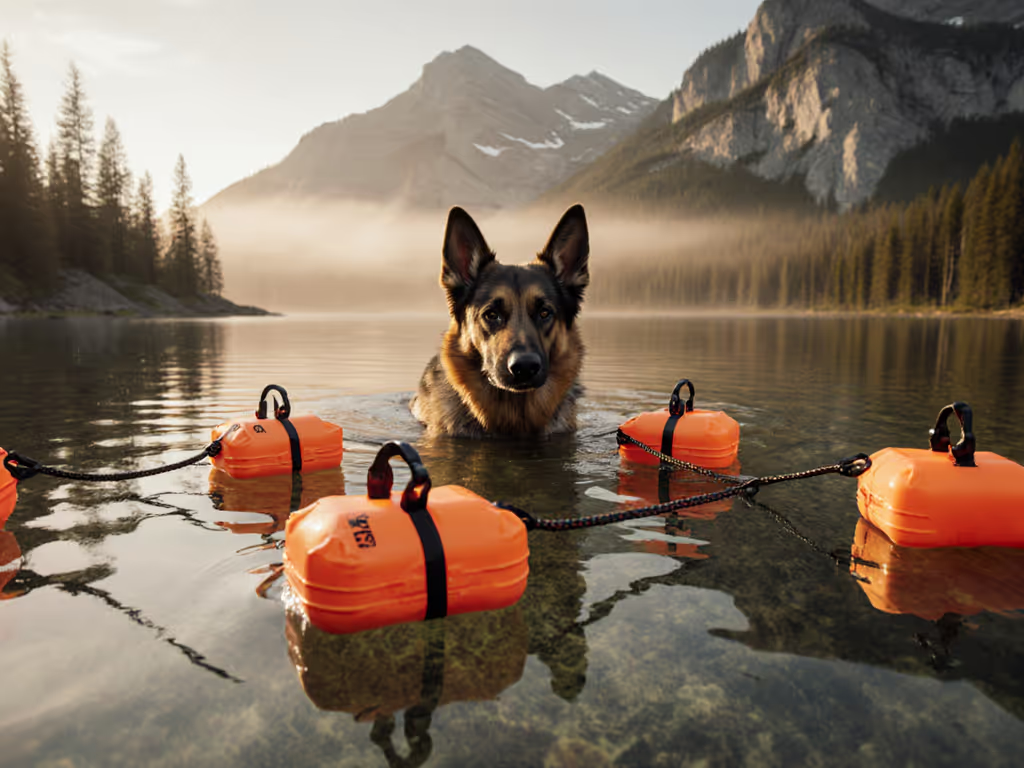
Underwater scent training and water rescue dog equipment represent a specialized intersection of positive reinforcement work and environmental adaptation. Most handlers familiar with land-based scent detection assume existing gear translates seamlessly to water, a costly oversight. Water introduces buoyancy shifts, temperature stress, visibility loss, and corrosion that degrade equipment performance in ways that don't surface until the critical moment. This guide synthesizes field-tested approaches grounded in failure-mode analysis and real-world durability testing.
Why Water Changes Everything
The Failure-Mode Reality
On dry trails, a worn harness attachment might slip (inconvenient, recoverable). In water, the same failure means a dog without directional control in an environment where disorientation escalates quickly. Aquatic scent work compounds multiple stressors: cold water reduces muscle endurance, limited visibility strains the handler-dog bond, and long-line work near open water demands absolute equipment reliability.
I've field-tested dozens of setups, and consistently, gear designed for general use underperforms where conditions compound. A harness that fits well in air can ride or slip when soaked. Water expands the dog's body perception through buoyancy, and the dog may adjust posture in ways that create space for slippage. I watched a handler lose a dog mid-session because the harness (properly fitted for land) slipped when the dog twisted in cold water. That moment reinforced a principle: if it fails on trail, it fails the dog.
Water-resistant training containers, for instance, aren't simply waterproof boxes. They must maintain buoyancy balance (sink too fast and the scent cone disperses unpredictably; float too high and the dog can't anchor olfactory tracking). The container material, closure seal, and ballast require deliberate design choices that consumer-grade storage doesn't meet. For pros and DIY options that hold up in real training, see our scent containers comparison.
Environmental Variables
Aquatic scent detection tools must perform across variables that dry-land handlers rarely encounter:
- Salinity and mineral content: Freshwater and saltwater carry scent differently; salt degrades certain materials and affects odor dispersal.
- Temperature shock: Cold water increases metabolic stress and reduces safe training window duration.
- Visibility and turbidity: Muddy water removes the visual reference that land handlers rely on for recall cues.
- Current and tidal movement: Scent plumes drift horizontally, requiring handlers to anticipate positioning.
- Substrate variables: Sand, silt, rock, and submerged vegetation alter search patterns and gear friction.
Core Design Principles for Water Work
Durability under wet-grip conditions: Gear must maintain functional integrity when soaked and subjected to repeated wet-dry cycles. Neoprene, biothane, and closed-cell foam outperform nylon and cotton, which absorb water, weaken, and harbor mold. Field notes show harnesses rated for land use lose 15-30% grip effectiveness when saturated, unacceptable for water work.
Buoyancy management: Every component must either sink predictably or float in a controlled manner. A harness not designed for water can trap air, creating unpredictable tilt and making recall cues harder for the dog to process.
Corrosion resistance: Saltwater demands stainless steel hardware and anodized fittings. Standard steel rusts within weeks; once corrosion begins, attachment points become brittle and fail.
Visibility checks: In murky water, reflective harnesses, high-visibility panels, or embedded light-reactive materials keep both handler and dog visible to external hazards. A dog unseen is a dog at risk. Safety scales with conditions, and water conditions demand visibility margins wider than land-based work.
Building Your Water Scent Kit
Scent Containers and Buoyancy
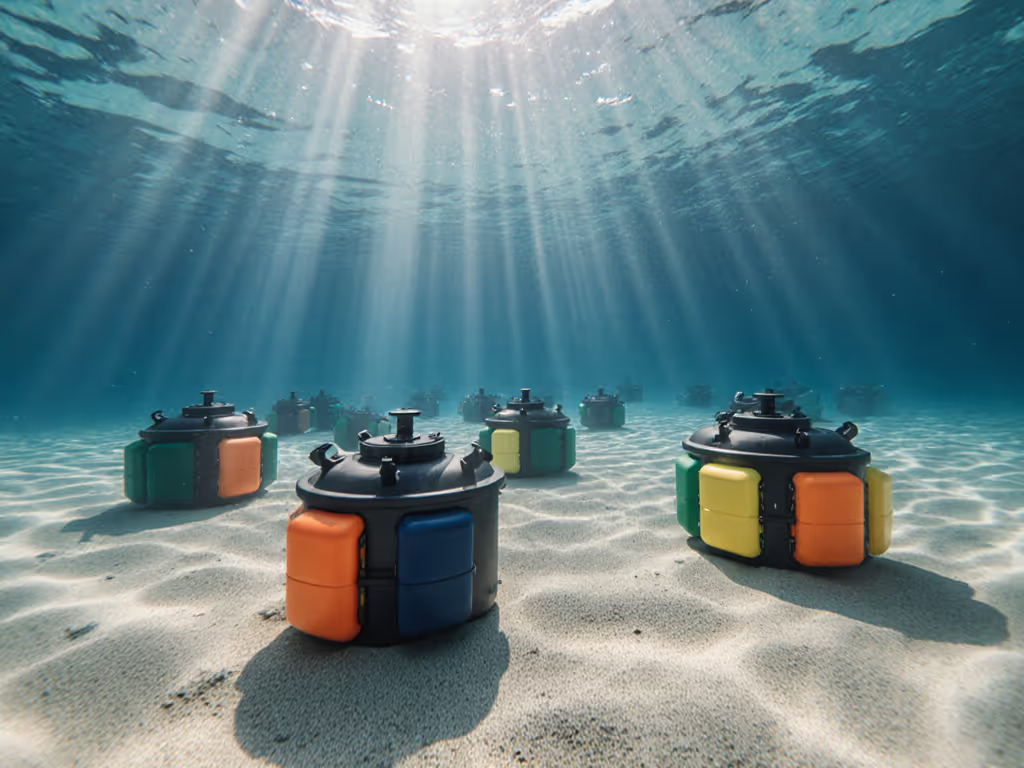
Purpose-built scent containers solve three problems: containment, buoyancy, and reliability. A typical setup uses weighted containers that sink at a controlled rate, paired with floating retrieval markers. The scent material (often cotton swabs or sponges) sits in a vented interior chamber sealed by a removable cap. The exterior shell allows water flow while containing the source.
Why precision matters: A container that sinks too quickly gets buried in silt, reducing scent availability. One that floats becomes subject to current drift, teaching the dog to follow horizontal movement rather than thermal scent columns. Correct ballast anchors the search in a productive zone.
Long Lines and Water Management
Water tracking training aids differ fundamentally from land setups. If you're selecting line types for structured recall and search patterns, start with our long line leash comparison. In water, line management becomes both a safety and effectiveness issue. A 15-30 meter biothane line floats at the surface, allowing the handler to track the dog's position in low-visibility water. Unlike nylon or rope, biothane doesn't absorb water, dries quickly, and maintains grip when saturated. This is not a luxury, but a baseline requirement. Knots and clasps must be stainless steel; galvanized fittings oxidize within days of saltwater exposure.
Temperature and Protection
Dogs lose heat 25 times faster in water than air. Even brief sessions in cool water demand protective layers. Neoprene vests reduce heat loss and offer modest buoyancy support, keeping the dog's head higher and reducing fatigue. For flotation fit, open-water drills, and rehab use, review our dog life jacket training guide. Paw protection, booties for water work, becomes critical in rocky or shallow-debris environments.
Testing Protocol and Failure Prevention
Never deploy new gear in a critical training session. Progress through:
- Pool or controlled tank (warm, clear, shallow): Observe buoyancy balance and harness fit under water tension.
- Calm, shallow freshwater (mild current, 2-4 ft): Add temperature and visibility variables.
- Escalating conditions (cooler water, deeper zones, light current): Introduce salinity, turbidity, cold, and current progressively.
- Real-world deployment (full training scenario): Only after three prior tests.
Document water temperature, visibility, current speed, salinity, and substrate type. Over time, this log becomes a decision tree: "In water below 55°F and visibility under 3 feet, use neoprene plus high-vis harness and halve duration." Conditions repeat, and by tracking your dog's performance against specific parameters, you build a replicable, safe playbook.
Why Gear Fails in Water
Saltwater accelerates corrosion exponentially. After-use freshwater rinses extend hardware life dramatically. Handlers who rinse immediately after saltwater use see 3-5 year lifespans; those who don't see failure by month 4. Nylon webbing breaks down under UV and wet-dry cycles; biothane remains flexible. Wet knots under load can slip or fail without warning. A harness that fits well in air can slip when soaked. Fit must be tighter than land work: one finger under straps when wet, versus two fingers for dry work. For proper dry-land strap tension, follow the two-finger rule.
Regulatory Reality and Session Safety
Many regions regulate water access for dog training. Tidal zones, marine reserves, and designated swimming beaches often prohibit dog access or require permits. Check local regulations before establishing a training site.
Never train alone in deep, open water. Sessions in water below 60°F should not exceed 15-20 minutes. Monitor for shivering, reluctance to re-enter water, or excessive fatigue. Exit immediately if these appear. Bring a second person to monitor external hazards (boats, wildlife, currents) and summon help if needed.
After each session, rinse all gear with fresh water, especially after saltwater use. Hang to dry fully before storage; damp gear invites mold. For material-specific cleaning and storage, follow our training equipment care guide. Inspect hardware monthly. Replace any corroded fasteners immediately.
Next Steps
The fundamentals are clear: water-specific gear, progressive testing, detailed condition logging, and post-session maintenance build a safe, repeatable framework. Your next step depends on context: Are you training for water rescue, recreational scent detection, or search-and-rescue depth? Freshwater or coastal zones? How does your dog's build affect buoyancy and fit?
Seek out a certified water rescue trainer in your region who can assess your specific environment and your dog's physical profile. Terrain-specific expertise beats generic guidance. Document your early sessions methodically. Your field notes become the foundation for safe, scalable practice as you move from training into operational work.
Related Articles